

China-US Trade War & Tariffs – 5 Key Lessons for Future Global Trade Disputes
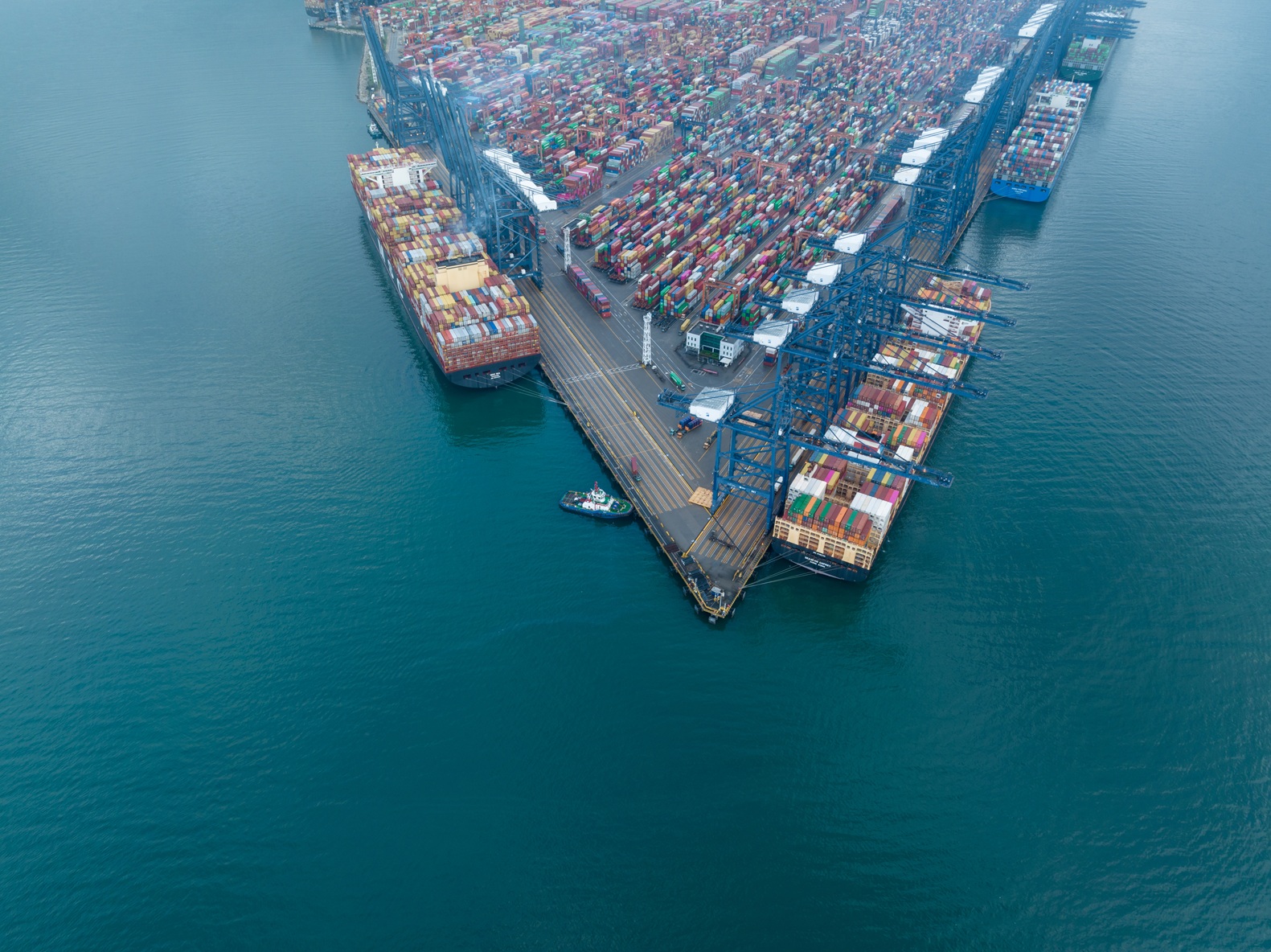
The US-China trade war marks a significant escalation of trade disputes between the two countries, with unilateral tariff measures reaching unprecedented levels. The trade war began with tariffs imposed by the Trump administration, which then prompted retaliatory tariffs from China. The trade dispute between the US and China is causing significant disruption to global supply chains and financial markets.
In this article, we’ll look closer at this trade war between the world’s largest economies and offer five key insights that we can apply to future global trade disputes.
Confused by recent tariffs? clearBorder’s trade experts can provide your business with clarity through tailored consultation.
The Trade War Between the US & China: An Overview
Trump’s Tariffs
In early April of 2025, President Donald Trump raised tariffs on nearly all Chinese imports to as high as 145%. According to the White House, these tariffs on Chinese goods are due to trade deficits with China, as well as alleged unfair practices-such as currency manipulation, state subsidies, and intellectual property theft.
Response by Xi Jinping
In response to the US President’s tariffs on Chinese goods, the Chinese government retaliated by imposing tariffs of up to 125% on American imports. However, Chinese officials have placed tariff exemptions on goods that are essential to Chinese industries and supply chains. For example, tariff exemptions apply to critical aerospace components such as engines and landing gear.
Impact on the American & Chinese Economies
This rapid escalation follows years of mounting tensions and builds upon earlier rounds of tariffs dating back to 2018. However, the scale of the most recent measures threatens to halve Chinese exports to the US, putting millions of Chinese jobs at risk. At the same time, the tariffs will inflict substantial costs on American consumers and businesses.
As China and the US are the two largest economies in the world, this trade war has sent shockwaves through global supply chains, highlighting the growing trend toward economic decoupling. The lessons from this dispute will shape how nations approach future trade conflicts, underscoring the stakes for the global trading system.
Trade Talks Between the US & China
Trade talks between the US and China have remained stalled since the dramatic escalation of tariffs in April 2025. China’s Commerce Ministry has called for a cancellation of tariffs to end the US trade war. The two sides appear entrenched and unwilling to reach a trade deal, signalling a prolonged period of heightened trade barriers and deepening economic decoupling.
Lesson 1: Economic Interdependence Creates Mutual Vulnerability
The US-China trade war exposed how deeply intertwined modern supply chains have become, and the vulnerability this creates when trade relations deteriorate. As a result of the current trade war, Chinese manufacturers face sudden market access barriers, while American importers scramble to absorb tariffs.
This disruption has also extended far beyond bilateral trade. Since the onset of tariffs put in place by US and Chinese authorities, most countries have experienced volatility as supply chains have been reconfigured, with particularly severe impacts in sectors like medical equipment.
The lesson is clear: economic interdependence creates mutual vulnerability that requires strategic planning.
Forward-thinking businesses are now diversifying supply chains across multiple countries to mitigate risk. Trade consultants provide crucial guidance in this process, helping companies navigate tariffs and identify supply chain vulnerabilities.
Looking to diversify your supply chain? Contact clearBorder for personalised supply chain advice.
Lesson 2: Tariffs Often Lead to Escalation, Not Resolution
What began as targeted US tariffs on a range of Chinese goods in early April 2025 has now led to a full-scale economic confrontation. The Trump administration’s recent tariff measures, which raised duties on nearly all Chinese imports to as high as 145%, triggered immediate retaliation from Beijing, which placed retaliatory tariffs of 125% on American products.
This demonstrates how tariffs usually cause escalation rather than resolution. The conflict has also expanded beyond tariffs on Chinese and US goods to include investment restrictions, technology controls, and diplomatic tensions. De-escalation has proven exceptionally difficult.
This shows that businesses must prepare for long-term disruption when trade disputes emerge. Tariffs used as negotiating leverage often become semi-permanent fixtures in the international community.
Lesson 3: Trade Disputes Create Winners in Third Markets
The US-China trade war has resulted in a manufacturing shift away from both economic superpowers, creating unexpected beneficiaries in the international market. Countries like India and Brazil are emerging as potential winners, with companies exploring manufacturing in these countries to bypass the steep tariffs imposed by both the US and China in 2025.
Other countries in South East Asia are also seeing increased interest as businesses seek stable, tariff-free export platforms to major consumer markets. This restructuring of global supply chains is not merely a temporary diversion, but a structural realignment of production networks.
For UK businesses, these shifts create strategic opportunities. As a trusted trading partner with strong rule of law and established free trade agreements with multiple regions, the UK offers an attractive alternative hub for certain manufacturing and distribution operations.
Lesson 4: Non-Tariff Barriers Become Equally Important Weapons
The US-China trade war has shown how non-tariff barriers (NTBs) can also emerge as trade weapons. NTBs include regulatory hurdles, licensing requirements, investment restrictions, and technology transfer controls that can limit foreign competition without imposing tariffs.
For example, China has been accused of delaying approvals for American pharmaceutical products, while the US has tightened export controls on advanced semiconductor technology destined for China. These non-tariff trade barriers can significantly impede trade flows.
NTBs present unique challenges in trade negotiations because they’re difficult to quantify, often disguised as legitimate safety or environmental protections, and deeply embedded in domestic regulatory systems.
Looking to minimise the impact of trade barriers on your business? Contact clearBorder for tailored trade support
Lesson 5: Market Confidence and Economic Stability Require Clear Rules
The US-China trade war has triggered market uncertainty that has eroded investor confidence and forced businesses to delay investments and reroute supply chains.
Central banks also have limited options in such scenarios. This kind of prolonged trade uncertainty creates inflationary pressures that complicate central bank mandates.
When trade rules and tariffs become arbitrary or politically motivated, the resulting uncertainty damages not just trade flows but broader economic stability, affecting everything from employment to innovation pipelines.
For these reasons, transparent, rules-based trading systems are essential. They provide businesses with the predictability needed for long-term planning, investment, and growth.
Practical Implications for Businesses
Navigating tariffs requires strategic foresight rather than reactive measures. Forward-thinking businesses should use scenario-based tariff models to quickly assess financial impacts when trade policies shift. Supply chain diversification can also help businesses create regional manufacturing hubs to mitigate the risks posed by trade wars.
Trade consultancy firms like clearBorder can also provide specialised training and consultations to help businesses navigate the uncertainty of tariffs. The trade specialists at clearBorder can help businesses anticipate regulatory changes, ensure customs compliance, and develop resilient supply chains that can withstand geopolitical disruptions.
Contact clearBorder to minimise the impact of global trade tensions on your business.