

Things You Should Know About UK Food Exports
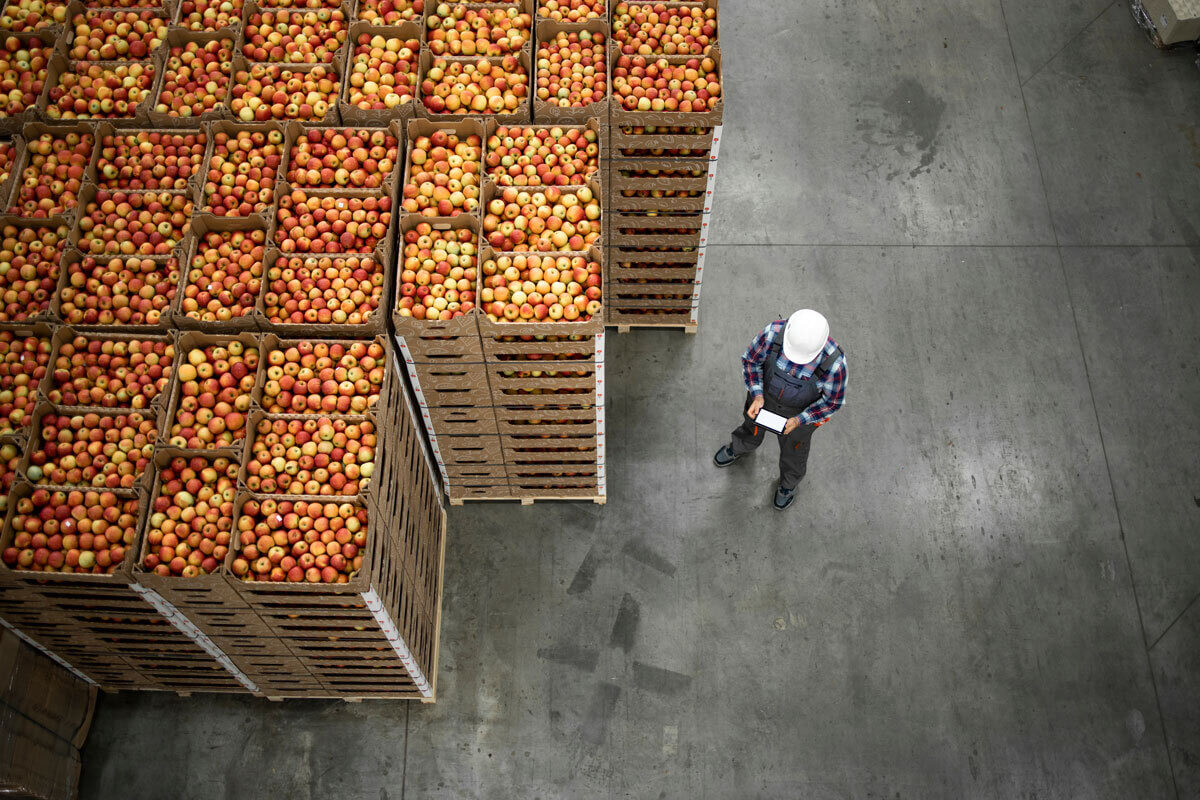
Food represents a significant part of the UK trading economy. In 2020 alone, the UK imported 46% (£48bn) of the food it consumed, and exported £21bn worth of food, feed and drink. Goods produced in Great Britain are transported to destinations across the global food chain.
Of course, if your business is involved in the movement of food and drink, you’ll know that the exporting process can sometimes seem complicated. First, you have the customs rules – duties, VAT, incoterms and rules of origin. Then, on top of that, food and animal products have additional regulations, best practices and other factors you need to consider.
You need to ensure your business meets all regulations in order to stay compliant, maximise efficiency and maximise your returns from international trade. But don’t worry – we’re here to help.
We are experts at helping UK businesses import and export food and drink, as well as a range of other products. In this blog post, we’ll walk you through some need-to-know facts relating to UK food and drink exports.
What Does the UK Export?
Firstly, it’s both helpful and revealing to gain a more detailed picture of the UK’s food and drink exports. Food and beverages produced in Britain are immensely popular with consumers around the world; but which products make up the bulk of UK exports?
Research (Statista) shows that, currently, whisky is the largest UK drink export, and by far the most valuable consumable product originating in Great Britain. Chocolate, cheese, soft drinks and beef are also among the country’s biggest exports.
The full list of the 10 most valuable food and drink exports in 2021, along with their value (million GBP), is as follows:
- Whisky – 4,600
- Chocolate – 755.6
- Salmon – 735.6
- Cheese – 565.2
- Pork – 553.3
- Gin – 541.6
- Cereals (incl. breakfast) – 490
- Soft drinks – 473.9
- Wine – 467.3
- Beef – 448
A report by the FDF (Food and Drink Federation) found that, of all UK regions, Scotland, Wales and the North East have seen the strongest recovery from recent geopolitical challenges, such as the COVID-19 pandemic, and changes to the way the UK trades with the EU.
At 30%, Scotland represents the largest share of the UK’s food and drink exports. The North East, having increased its own share by over 20% since 2020, has made an unprecedented increase on this front. The report highlights the growing opportunity for UK exporters to make inroads into non-EU territories, as new trade deals yield increasing market access.
UK Government Regulations
There is a considerable amount of regulation surrounding the movement of consumable goods from the UK overseas. Many countries have strict import controls. The UK-EU Trade Agreement governs trade with the EU, the UK’s largest trading partner.
Below, we’ve picked out some of the most important information regarding UK food exports. To view the government’s position in its entirety, click here.
Exporting POAO Products
POAO (Products of Animal Origin) refers to animal-derived products intended for human consumption, including (but not limited to):
- Meats
- Fish
- Dairy
- Gelatine
- Honey
In order to export POAO to the EU, non-EU countries (and in some cases, Northern Ireland), you’ll be required to obtain an EHC (Export Health Certificate).
If the exported good was made in the UK, you’ll also want to establish the precise manufacturing location, and it’s good practice to check the specific rules of the destination country.
Exporting Processed Food & Drinks
In the majority of cases, you will need an EHC to export processed food and drink, if it contains POAO. Examples of products that fall into this category would include pork pies and lasagne.
On the other hand, if you are exporting food or drink that doesn’t contain POAO, you usually won’t need an EHC.
For some countries, though, it will be necessary to acquire a certificate of free sale. The destination country’s local food authority can inform you if this will be necessary.
Soft drinks containing added sugar will sometimes be subject to the Soft Drinks Industry Levy.
Prohibited Goods
Under the UK-EU Trade Agreement, the export of some goods is not permitted to countries within the European Union. The list of prohibited goods includes the following:
- Chilled mince meat
- Chilled meat preparations
- Minced poultry meat
- Poultry, ratite and game meat that has been mechanically separated
- Raw milk from a herd with bovine tuberculosis (TB)
- Ungraded eggs
- Any composite product containing dairy made from unpasteurised milk
In addition, you must not re-export some animal products, including fresh meat or milk originating from outside the UK. If you are found to be in violation of these regulations, your company could face significant fines and/or penalties.
What Happens if I Fail an EU BCP Inspection?
For exported POAO goods to enter an EU country, they must pass through a European Union Border Control Point (EU BCP). These are designed to protect both public health and animal welfare. Not all BCPs are equipped to check all types of exports, so it’s vital to ensure you direct your goods to a BCP capable of performing the necessary checks.
If your export fails an EU BCP inspection because it is deemed to pose a risk to public or animal health, the consignment will be immediately destroyed.
If your export fails for any other reason, the BCP will typically contact your importer or agent. They are unlikely to get in touch with you directly, so it’s important you know and trust the people working for you. It may be possible to correct the problem or to have rejected goods returned to you, though the process can be laborious.
This is where clearBorder’s informative and helpful training programmes can help. Our Border Ready Food and Animal Products course equips you and your team with the knowledge to make sure your exports are well-prepared and ready to make a smooth transition across the border.
Successful Post-COVID Exports: Food and Drink Federation Guidelines
The FDF says:
“Food and drink is part of the UK’s Critical National Infrastructure and is the UK’s largest manufacturing sector. Much of what we produce is made locally, but we are nonetheless rooted in global trade.”
As the most prominent national organisation representing food and drink manufacturers, the FDF is invested in safeguarding both the quality and efficiency of British food and drink exports. They have published guidelines for organisations looking to reach, and hopefully surpass, pre-pandemic levels of efficiency and profitability as they navigate the EU exit transition.
Below, we’ve provided an executive summary of the FDF’s Food and Drink Exporting recommendations:
- Evaluate the current potential and/or effectiveness of your organisation’s food exports. Consider likely business outcomes, your resources, investment, and any new market opportunities.
- Research the viability of various international customers, with reference to your competitors and your target demographic, and aim to target the best-value markets.
- Expand your business presence. Ensure your company offers a strong online experience, and align your efforts with those of organisations such as the FDEA and AHDB.
- Check that your company is fully prepared. Consider factors such as which incoterms you’ll use, necessary documentation, and commodity codes.
- Implement strategies to grow your export operations. Apply new findings, adapt to market forces, and keep abreast of any changes in the UK food export landscape.
clearBorder: Seamless Food & Drink Exports
Exporting food from the UK offers the potential for increased revenue and business growth – but it’s essential that you keep your organisation on the right side of regulations and that you possess a good grasp of the overall food exports picture.
Our training courses are designed specifically to help businesses of all sizes – from sole traders to multinationals – gain the knowledge to stay ahead, increase efficiency, reduce risk and improve your return on international trade. We also offer expert advice and ongoing consultancy.
Our ambition is to make trading borders invisible for our customers. To find out more about how we can help your business trade seamlessly, get in touch with our team today.