

Trade War Tariffs: How Trade Wars Are Reshaping Global Commerce
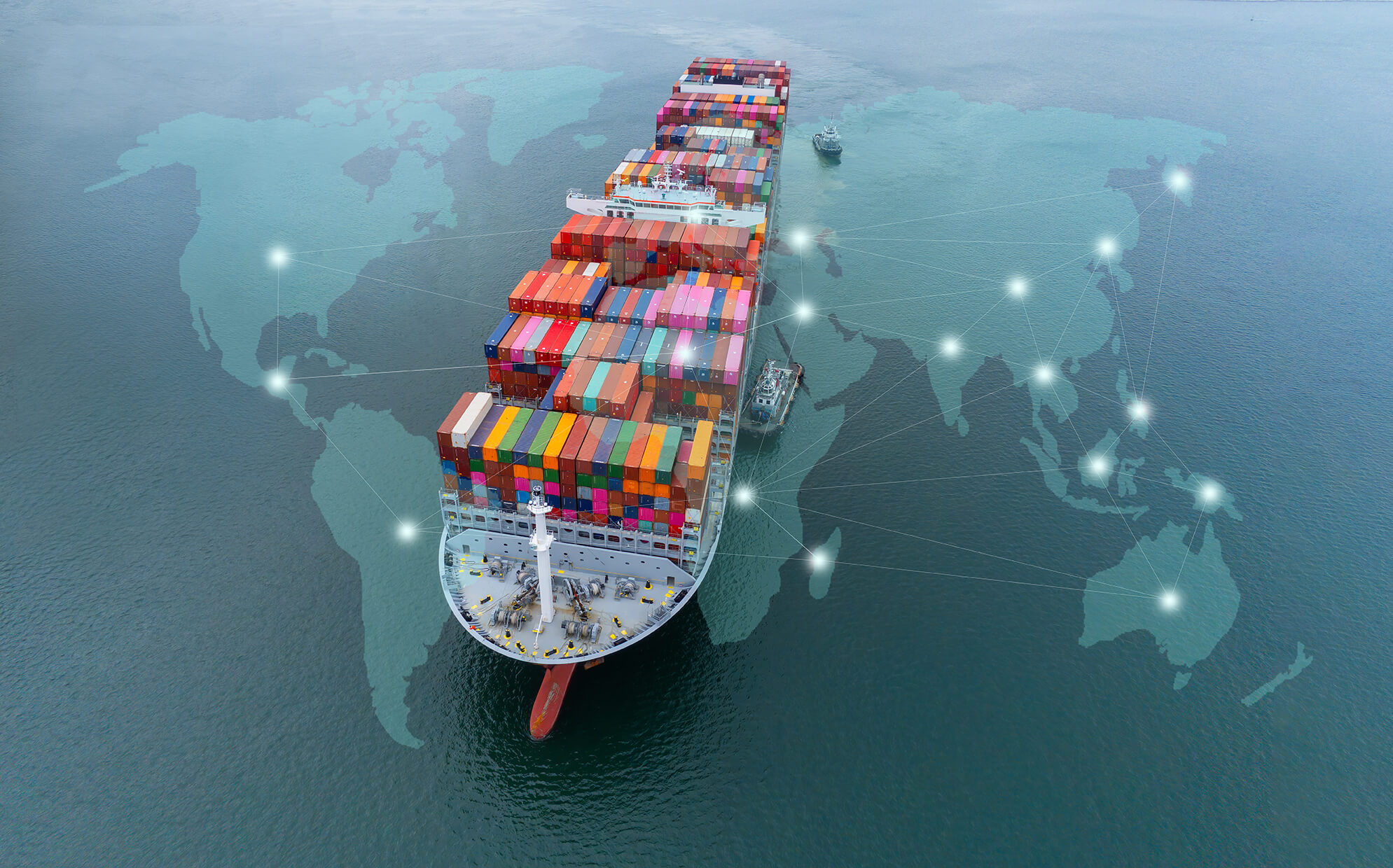
As trade wars and tariffs reshape global trade, businesses around the world are facing a new reality. The escalating trade wars between major world economies have ushered in a new era of protectionism and uncertainty.
Making sense of the current trade war tariffs can be overwhelming. To make it easier, this article will examine the current trade landscape, the economic impacts of tariffs, and strategic approaches that you can take to adapt to rising trade tensions.
Looking for clarity on international trade tariffs? Contact clearBorder for tailored trade support.
The Current State of Global Trade Wars
President Trump’s Baseline Tariffs
On April 9 2025, President Donald Trump introduced a 10% baseline tariff on imports from nearly every country. This “reciprocal” tariff applies to most goods. However, certain products and countries face even higher rates, and some goods are excluded since they are already subject to sector-specific tariffs. The US is engaged in trade talks to address what it considers unfair trade practices, leaving supply chains and domestic industries in flux.
Reciprocal Tariffs for the US and Mexico
In March of 2025, the White House imposed a 25% tariff on most imports from Mexico and Canada, with energy and potash from Canada facing a 10% tariff. The US also imposed 25% tariffs on Canadian steel and aluminium products. And on April 3, a 25% tariff on Canadian car imports came into effect. However, goods compliant with the USMCA trade agreement are exempt from these tariffs.
In response to these tariffs, the Canadian government placed an equal 25% tariff on a range of US products, including alcohol, vegetables, and apparel.
Higher Tariffs for EU Countries
While the Trump administration introduced a 10% baseline tariff on all imports, EU goods face a higher 20% tariff. These tariffs target key sectors and are prompting the EU to consider retaliatory measures.
While trade tensions are high, the EU has proposed reciprocal tariff-free trade, waiting for a response from United States trade representatives. The ongoing dispute threatens to disrupt established transatlantic supply chains and increase costs for both exporters and consumers.
Trump’s Trade War with China
The current trade war between the US and China is a complex matter, and US-China tariffs are still evolving. There are several key reasons why the US placed import tariffs on Chinese goods:
- Trade deficit: The US has maintained a significant trade deficit with China, importing far more than it exports. In 2024, this deficit reached $295 billion, fuelling arguments that the US-China trade imbalance harms US jobs and industries.
- National security: Trump officials also cite national security threats like unlawful migration and fentanyl trafficking as reasons for China tariffs.
- State subsidies: The Chinese government’s extensive subsidies to domestic industries and the dominance of state-owned enterprises are seen as distorting global markets, making it difficult for US and other foreign companies to compete fairly with Chinese imports.
- Reciprocity and market access: US policymakers have called for reciprocal trade terms, arguing that US companies face barriers in China that Chinese firms do not face in the US market.
- Currency manipulation: The US has accused China of keeping its currency artificially low to boost exports, making Chinese goods cheaper abroad and contributing to the trade deficit.
These issues have led to a hardening of trade relations, with both sides escalating tariffs, restrictions, and controls. Chinese President Xi Jinping has retaliated against the US President’s tariffs, raising tariffs on US goods to 125%.
Currently, China is not open to discussing a trade deal until the US drops tariffs on Chinese imports. And according to US Treasury Secretary Scott Bessent, the first step in reaching satisfactory trade agreements is de-escalation.
Impact on the Global Economy
The steep tariffs imposed by the Trump Administration have had a significant impact on global markets. Globally, the IMF predicts that Trump’s tariffs will slow economic growth to 2.8% in 2025. This is driven by reduced trade volumes, stifled investment, and higher prices.
These shifts are also reshaping trade alliances around the world. Nations are finding new trading partners and entering new trade negotiations, further fragmenting the international trade landscape.
How Tariffs Affect the EU
In the European Union, retaliatory tariffs and supply chain uncertainty have strained economic stability. US tariffs on EU exports could significantly reduce the bloc’s GDP in the short term, with long-term losses being even more substantial. European industries, particularly the automotive and tech sectors, face higher costs and reduced competitiveness. Redirected exports from countries hit by tariffs also threaten to flood EU markets.
South East Asia
Countries in Southeast Asia are also experiencing collateral damage from the raised tariffs on Chinese imports. US tariffs on Chinese goods are forcing manufacturers to redirect exports to regional markets. In addition, countries like Vietnam and Malaysia now grapple with a flood of Chinese products, undermining local industries.
Meanwhile, Trump’s reciprocal tariffs on Southeast Asian semiconductors and steel have accelerated a pivot toward China, as nations like Cambodia and Laos seek stronger ties with Beijing to offset their losses.
How Trade Wars Affect UK Trade Policy
The UK is only subject to the 10% baseline tariff that President Trump imposed, avoiding the further tariffs of 20% that the EU faces.
By leaving the EU, the UK has newfound flexibility in its trade policies and can pursue trade agreements with non-EU countries. This added flexibility to will allow the UK to explore new opportunities amidst the arising from global trade tensions.
The UK also has the potential to attract foreign investments and become a preferred trading hub if it remains on the sidelines of major tariff disputes. Sectors like advanced manufacturing and financial services could benefit from the UK’s new trade landscape.
Consult the trade experts at clearBorder today to develop a trade strategy that minimises your exposure to tariffs.
Practical Strategies to Overcome Tariffs
Businesses can navigate the uncertainty of trade war tariffs by adopting a flexible approach and implementing several key strategies:
- Supply chain restructuring: Beyond supply chain diversification, companies should strategically relocate production to regions with lower tariffs and establish manufacturing hubs in countries with preferential trade agreements.
- Tariff engineering: Work with customs specialists to legally reclassify products or slightly modify specifications to qualify for lower duty rates.
- Strategic pricing: Develop sophisticated pricing models that factor in tariff volatility, potentially using financial instruments to hedge against currency and tariff fluctuations.
- Government engagement: Actively participate in trade associations and establish direct channels with trade officials to stay informed of potential exemptions or relief programs.
The support of an experienced trade consultant can also be invaluable when navigating international trade during trade wars. Through tailored consultation and comprehensive training, the experts at clearBorder can help you understand tariff requirements, diversify supply chains, and develop effective strategies to mitigate the impact of trade war tariffs.
Contact clearBorder today to navigate trade war tariffs with confidence.