

What’s Behind the US Trade Tariffs?
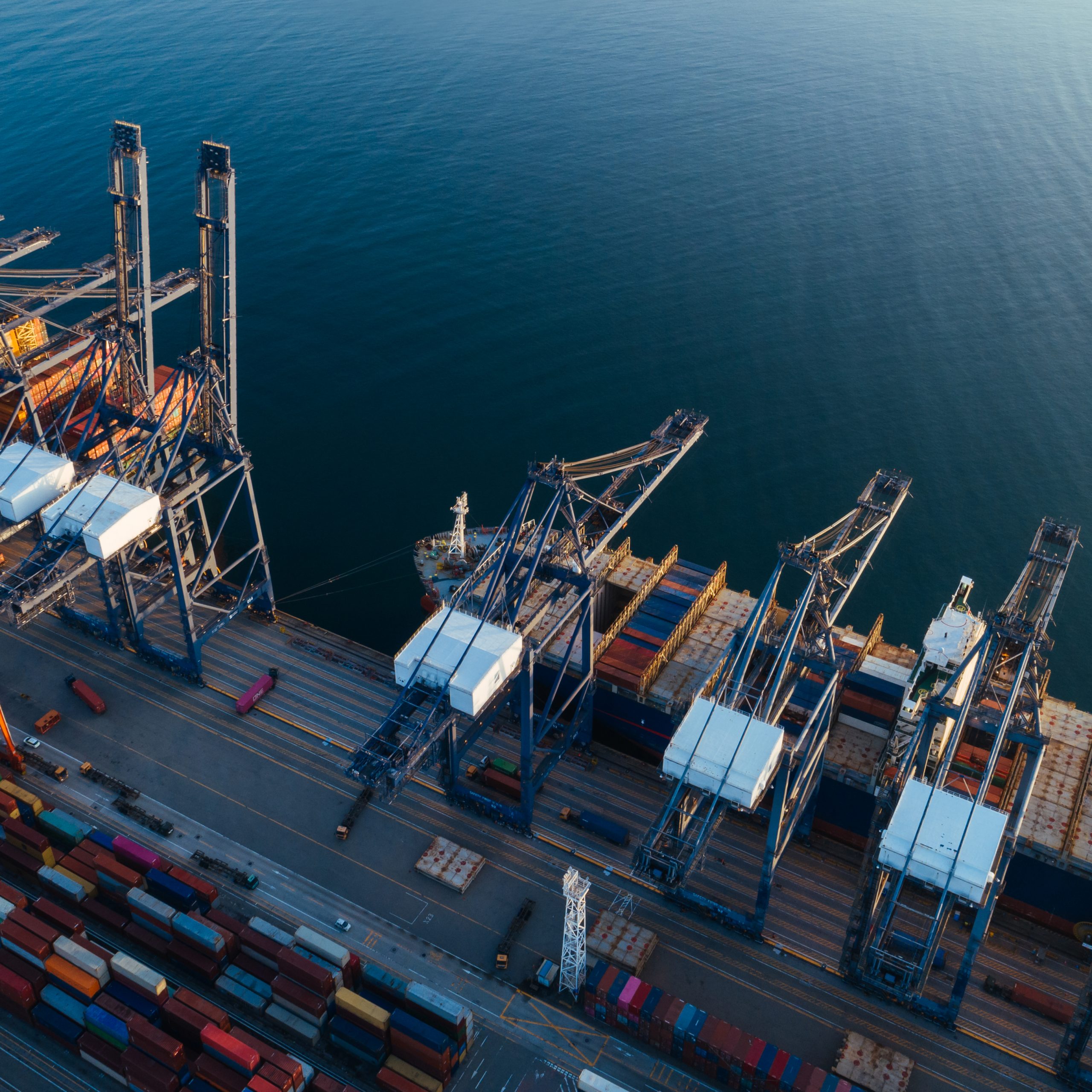
The recent tariffs implemented by the Trump administration have created significant economic uncertainty worldwide, with rapidly changing policies making it difficult for businesses and consumers to adapt.
To help you make sense of the recent US tariffs, this guide will explore the rationale behind the recent US tariffs, specific measures against different trading partners, and the wide-ranging economic impact of these trade barriers.
Has your supply chain been impacted by US tariffs? Contact clearBorder for expert guidance on how to overcome trade barriers.
The Trump Administration’s Trade Policy
President Donald Trump’s approach to international trade marks a significant shift from previous US policies, prioritising a reduction in US trade deficits and the protection of domestic industries. The US President’s main strategy is to use tariffs as leverage to address imbalanced trade agreements and foreign subsidies.
Central to this strategy has been the emphasis on reciprocal tariffs: imposing additional tariffs on imports from countries with trade barriers against US goods. According to the Trump administration, the goal of reciprocal tariffs is to remove unfair trade practices.
This assertive stance has led to trade disputes, particularly with China and the European Union. Trump’s sweeping tariffs are being used as a tool to renegotiate global trade relationships, defend American economic interests, and stimulate domestic production.
April 2025 US Trade Tariffs Explained
Tariffs on Canada and Mexico
In early 2025, the US imposed a 25% tariff on most imports from Canada and Mexico, with Canadian energy products facing a 10% tariff. Trump’s tariffs mostly don’t apply to products compliant with the USMCA trade agreement, except for certain categories like car imports, steel, and aluminium, which remain subject to specific tariffs.
In response, Canada imposed retaliatory tariffs of 25% on $106 billion worth of US goods. These countermeasures target consumer goods like food, beverages, and appliances. Mexico is also planning retaliatory tariffs, but their full scope has not been announced as of April 2025.
President Trump’s Trade War with China
The US-China trade conflict intensified in April 2025, with the US imposing 145% tariffs on nearly all Chinese imports. According to the US government, the move is meant to address trade imbalances and alleged unfair practices.
China responded with matching 125% tariffs, rare earth export controls, and sanctions against US firms. This unprecedented escalation has effectively halted bilateral trade, severely disrupted global supply chains, and accelerated economic decoupling between the world’s two largest economies. Markets are volatile as recession risks mount globally.
According to Treasury Secretary Scott Bessent, the Trump administration has no plans to move first in lowering tariffs on Chinese imports in order to de-escalate the trade war.
Tariffs Announced for EU Countries
The US established a 20% tariff on nearly all goods imported from the European Union. The US also imposed higher tariffs of 25% on steel and aluminium imports from the EU.
In response, the EU has voted to impose retaliatory tariffs on select US products, including motorcycles, poultry, and timber. These measures are part of an ongoing negotiation process, with the EU expressing a preference for free trade to avoid a prolonged tariff war.
Tariffs on the UK
While the UK is not specifically targeted with tariffs, it’s subject to the 10% universal tariff that President Trump imposed in April 2025 on the UK and many other countries. Some product categories, such as steel and aluminium, may face higher duties. The UK is also included in the broader reciprocal tariff framework, which can be adjusted based on trade balances and policy disputes.
Uncertain about US tariff requirements? Understand how tariffs affect your business with a customs compliance consultation.
Non-Tariff Barriers and Trade Negotiations
In addition to the recent tariff policy changes, the US is also working to address non-tariff barriers (NTBs) imposed by trading partners. Non-tariff barriers are rules or regulations that limit market access for American exports. This can include restrictive licensing, technical regulations, and non-scientific sanitary and phytosanitary (SPS) measures.
Ongoing trade talks between the US and foreign countries are focused on achieving greater reciprocity and opening new markets for US goods. Bilateral negotiations are aimed at reducing unfair practices and enhancing opportunities for American businesses.
The White House and the Commerce Ministry play central roles in shaping and leading trade negotiations. Their efforts include advocating for the removal of NTBs and ensuring US standards are recognised abroad. Despite some setbacks, such as stalled trade talks with China, the US continues to push for improved market access and trade conditions through both bilateral and multilateral channels.
Economic Impact of US Tariffs
The primary effect of US tariffs has been higher prices for US consumers. Tariffs are also projected to reduce long-term US GDP growth by 6% and wages by 5%. The International Monetary Fund also predicts that global growth will slow to 2.8% in 2025, citing US tariffs and global policy uncertainty as key factors.
The International Monetary Fund warns that persistent trade disputes could further slow the growth of the global economy, with the UK’s 2025 growth forecast already downgraded due to tariff-related risks. For UK businesses, this means ongoing volatility in export markets and supply chains.
For the UK, US tariffs threaten export sectors that rely heavily on the US market. This could potentially reduce UK exports by up to £22 billion and result in industry-specific job losses. Globally, these tariffs run the risk of deteriorating trade relationships, dampening investment, and curbing economic growth.
Looking to reduce your exposure to US tariffs? Our trade consultants can help you restructure your supply chain and minimise the impact of tariffs.
Industry-Specific Effects
US tariffs have impacted consumer goods, transport equipment, and automotive sectors particularly hard. For example, higher import duties on cars and car parts have increased costs for manufacturers, threatening the competitiveness of both US and UK automotive exports.
Technology firms face similar challenges, as tariffs on electronics and components have disrupted supply chains and raised prices. While some domestic producers may benefit from reduced foreign competition, many manufacturers struggle with higher input costs and reduced access to critical materials.
To adapt, businesses are diversifying suppliers, investing in local production, and exploring tariff engineering (modifying product specifications or sourcing to minimise tariff exposure). By implementing these strategies, businesses can stay resilient and profitable amidst volatile trade conditions.
To hedge against the risks posed by tariffs, working with international trade consultants like clearBorder is essential. clearBorder’s expertise in customs compliance, supply chains, and border readiness can help businesses adapt to changing tariff policies. Through comprehensive training, businesses can learn how to navigate tariffs and ensure smooth cross-border trade.
Contact the trade specialists at clearBorder to navigate US trade tariffs with confidence.